
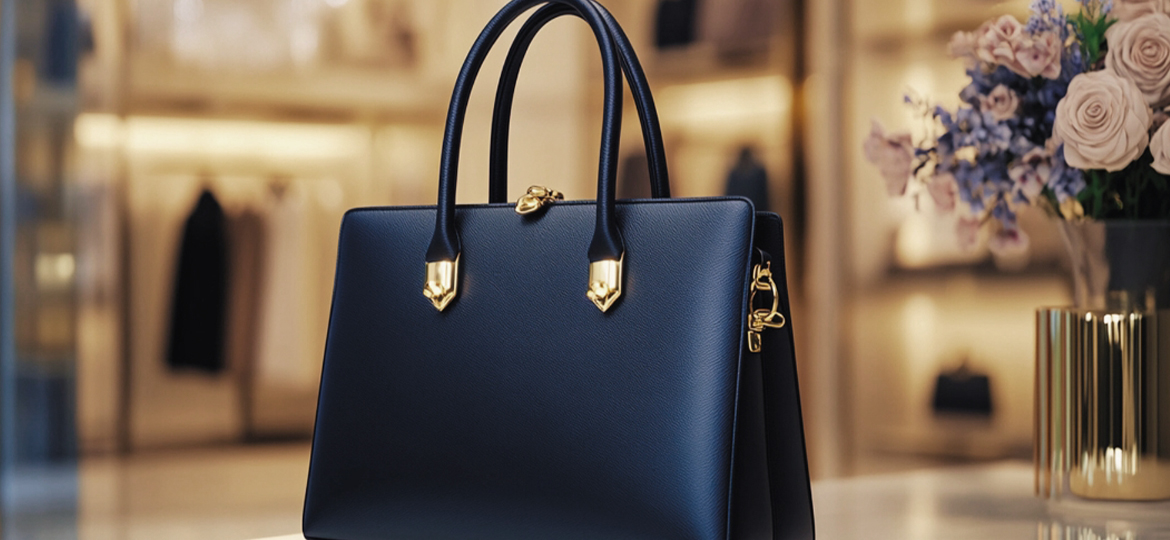
Walk into any store or scroll through any collection and you will see hundreds of handbags competing for attention. Some look impressive at the first glance but fall apart quickly. Others feel right quickly. Qualities don’t hide. Instead, it shows up through simple details you can notice within seconds if you know where to look and what to trust.
Before touching anything, look. A high-quality handbag holds its shape naturally. It stands upright and feels confident even when empty. The silhouette looks intentional, not floppy or uneven. This tells you the bag has internal support and thoughtful construction rather than relying on stuffing or display tricks.
Pay attention to balance. The sides should look symmetrical and the base should sit flat. If the bag already leans or collapses, daily use will only exaggerate that weakness. Quality construction creates structure that feels calm and steady. Your eyes catch this immediately even before your brain processes why it feels right.
Now lift the bag. It should stable in your hands. Not awkward. Not oddly weighted. A well-made handbag distributes weight evenly and feels comfort the moment you pick it up. That quick comfort is not accidental. It comes from smart design and solid build choices.
Your sense of touch gives fast and honest feedback. Run your fingers across the surface without overthinking it. High-quality material feels consistent and responsive. When you press lightly, it should bounce back rather than staying creased or feeling stiff.
Look closely at the texture. Natural looking variation usually signals better material processing. If the surface feels overly slick or coated, it may hide weaker layers underneath. The material should feel substantial without being rigid. It should invite touch instead of feeling artificial.
Check the flexibility by gently bending a corner or flap. It should move smoothly and return to its shape. Material that cracks or folds sharply under light pressure often lacks durability. Your hands can sense this difference in seconds once you start paying attention.
This is where craftsmanship becomes visible. Examine the stitching along seams, handles, and edges. The stitches should look even in length and spacing with no loose threads. The thing is, clean stitching means controlled production and attention to detail.
Do not stop at the obvious areas. Turn the bag and inspect the base and inner corners. Strong handbags receive equal attention everywhere, not just where eyes usually land. Inconsistent stitching in hidden areas often hints at rushed work.
Now check the edges. Smooth sealed edges feel clean to touch and look polished. Rough or peeling edges tend to suggest weak finishing that may wear out quickly. Edges protect the bag more than people realize. So, their quality matters a lot.
All these finishing details work together. When they feel consistent across the bag, you are likely holding something built with intention rather than speed.
Metal components reveal quality very quickly. Hold the bag and notice the weight of the hardware. Zippers rings and clasps should feel solid, not hollow or flimsy. Lightweight hardware often bends or loosens with use.
Test the zippers once. It should able to glide smoothly without snagging or resistance. A smooth zipper shows alignment and proper installation. Clasps should close securely with a satisfying click instead of feeling loose or uncertain.
Now focus on where handles and straps connect to the bag. These points tend to handle the majority of stress during daily use. Look for reinforced stitching or layered material at these areas. Gently tug without force. Everything should feel firm and stable.
If the handle shifts or creaks immediately, that weakness will only grow. Strong attachment points signal thoughtful design and long-term usability.
Open the bag and look inside. A high-quality handbag maintains the interior with the same respect as the exterior. The lining should sit flat and smooth without sagging or bunching. Besides, pockets should align neatly and feel securely sewn.
Touch the lining fabric. It should feel durable rather than thin or fragile. A rushed interior often shows uneven seams or loose corners. These details matter because they affect how the bag feels every time you use it.
Pay attention to smell as well. Strong chemical odors can signal heavy coatings or rushed processing. A neutral or mild scent usually indicates cleaner material handling. This sensory check happens quickly and often confirms what your hands and eyes already noticed.
High-quality handbags don’t require long explanations or labels. They communicate through balanced texture finishing and feel. Once you understand these signals, you stop guessing and start recognizing quality automatically.
Your first reaction matters. If a bag feels reassuring and composed, that feeling comes from multiple good choices working together. If something feels off, your senses likely noticed an issue before your mind named it.
Taking a few seconds to look touch and observe saves time and disappointment later. Quality reveals itself quietly but clearly. When you learn to read those signs, choosing a handbag becomes simpler, smarter, and far more satisfying.
A strong handbag does not just look good on day one. It continues to look composed as time passes. You can often predict this aging process within seconds. Look closely at how the material reacts to light bending and movement. Furthermore, high-quality material develops soft character rather than harsh creases. It relaxes instead of bending down.
Check areas that naturally experience friction like corners and handle curves. These spots reveal how the bag will behave after repeated use. If the material already shows stress marks in these areas, it may struggle to maintain its appearance over time. Bags built with intention account for wear patterns from the start.
Color consistency also matters. The tone should look even across panels without patchiness or overly dark edges. Uneven coloring often becomes more noticeable with use. A well-constructed bag fades gently and evenly if it fades at all.
When you imagine using regularly, it should feel like it will grow with you rather than work against you. That sense of longevity is not guesswork. It actually comes from solid structure clean finishing and balanced mental choices working together quietly.
One of the quickest ways to spot quality is knowing what not to focus on. Loud design elements flashy finishes and exaggerated details often tend to distract from weak construction. Quality handbags rarely rely on noise. However, they rely in balance and restraint.
Ignore external hype and focus on how the bag behaves in your hands. If it needs explanation to feel impressive, something may be missing. Strong pieces feel convincing without effort. They do not demand attention. They earn it naturally.
Pay attention to how calm the bag feels visually. Busy designs can hide uneven stitching or poor alignment. Simpler layouts make flaws obvious, which is why strong craftsmanship often favor clarity over clutter.
Confidence also comes from repetition. The more bags you examine using these checks, the sharper your instincts become. Soon you will realize quality immediately without walking through every step consciously.